- Dec 24, 2025
Dharma and Its Parts: The Foundations of a Purposeful and Integrated Life
- Jagatsevak
- Vedic Astrology Lessons
What is Dharma?
Dharma, from the Sanskrit root dhri (to uphold or sustain), is the principle of righteousness, duty, and cosmic order that aligns actions with personal truth and universal harmony. In the Vedic tradition, dharma is the foundation of a meaningful life, guiding individuals to live ethically in accordance with their unique purpose (svadharma) and the natural laws of existence (vedic sanātana dharma). In modern terms, dharma is about living authentically, with integrity and compassion, fulfilling personal responsibilities while contributing to the greater good of society and the planet.
Main Principles of Dharma
Satyam (Truthfulness): Upholding honesty and authenticity, balanced with kindness to maintain harmony in relationships.
Ṛtam (Cosmic Order): Living in harmony with the natural rhythms and universal laws that govern existence, ensuring balance and sustainability.
Ahiṃsa (Non-Violence): Acting with compassion, avoiding harm to all beings in thought, word, and deed, fostering peace and respect.
Seva (Selfless Service): Contributing to the well-being of others—people, animals, or the environment—without expectation of reward, embodying love.
Types of Dharma
Vedic Sanātana Dharma (Eternal Law): Universal, unchanging natural laws governing the body, mind, spirit, Earth, and cosmos, such as the nature of fire to burn. Ignoring these laws leads to disharmony and suffering, making alignment with Sanātana Dharma essential for balance.
Samanya Dharma (Universal Values): Timeless virtues like integrity, patience, truthfulness, and honesty, upheld across cultures and generations. These values ensure that pursuing svadharma does not harm others or society.
Svadharma (Personal Duty): The unique purpose or path of an individual, shaped by their talents, personality, and life circumstances. It involves expressing one’s authentic nature while cultivating personal strengths, akin to the svadharma of fire to produce heat or water to cool. In Jyotiṣa, svadharma is primarily revealed through the 1st house (self-image), 5th house (inspiration), and 9th house (highest truth), though it remains distinct from vocation or wealth.
Varna Dharma (Professional Duty): The pursuit of excellence and ethical conduct in one’s trade, vocation, or role, whether as a professional or a stay-at-home parent, emphasising self-agency and integrity in work.
Ashram Dharma (Life Stage Duty): Right actions appropriate to one’s age and life stage, aligned with the four Puruṣarthas (dharma, artha, kama, moksha), each taking prominence in roughly 20–25-year periods.
Kula Dharma (Family Duty): Responsibilities to family and community, requiring compromise of svadharma to prioritise the well-being of loved ones and obligations related to 'your tribe'.
Puruṣa/Strī Dharma (Gender-Based Duty): Duties based on physiological and energetic differences between sexes, focusing on optimising health, success, and spiritual evolution, not historical or contextual societal gender constraints, labels or identities.
Rāja Dharma (Leadership Duty): The responsibilities of leaders to provide protection, guidance, and security, often requiring sacrifice of personal desires for the collective good.
Praja Dharma (Civic Duty): The duty of citizens to engage in society through voting, civic activities, or constructive dialogue, ensuring active participation in the social system - or (r)evolution thereof.
Pravṛtti-Nivṛtti Dharma (Material/Spiritual Balance): The duty to harmonise worldly pursuits with spiritual growth. While chasing career or family goals, one is encouraged to engage in practices like meditation to nurture the soul. Conversely, even in deep spiritual practice, maintaining physical and mental well-being through practical tasks is essential to avoid dependency, spiritual bypassing, or escapism.
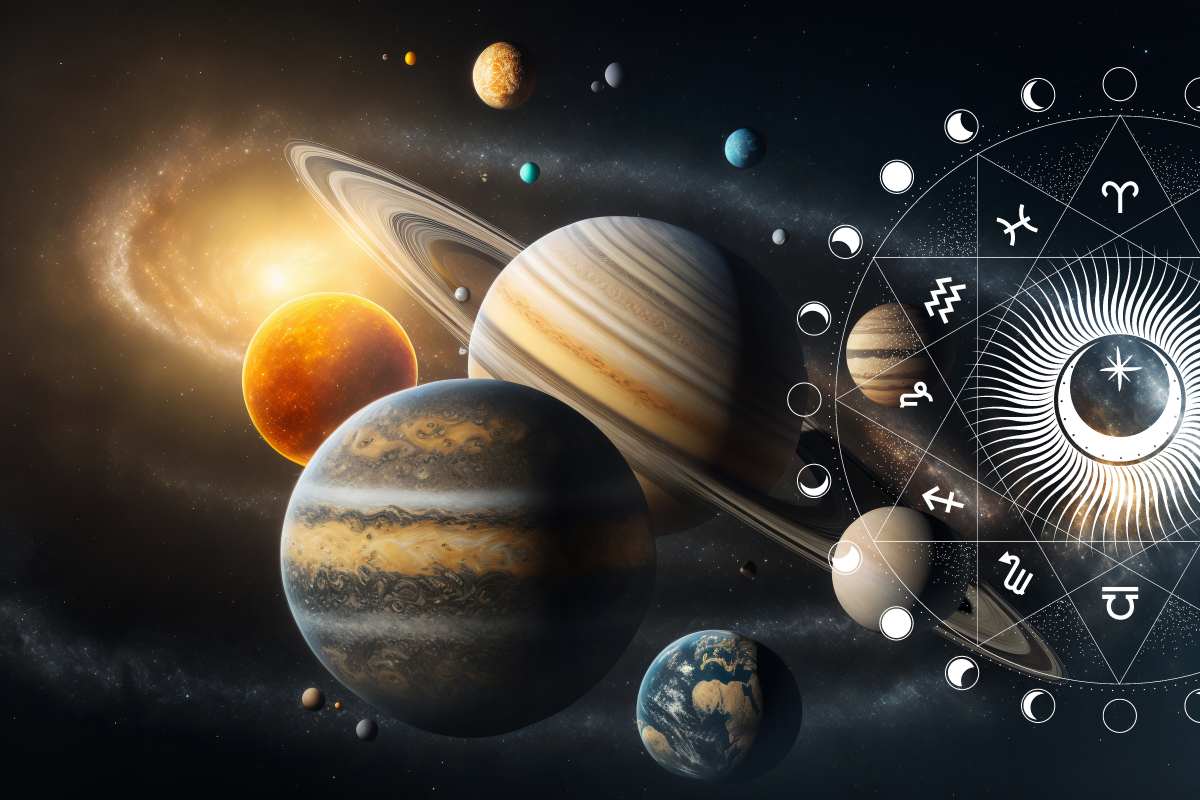
Graha Dharma (Planetary Duty): The call to align with the lessons of the nine Vedic planets (navagrahas) during their active cycles (daśas). Each planet carries distinct teachings, and resisting the current planetary influence in favour of past cycles disrupts this dharma. Graha dharma and svadharma are combined for deeply aware living.
Apada Dharma (Extraordinary Duty): Right action in rare, unprecedented situations where no clear rules apply. This dharma demands sharp discernment to avoid misuse and is reserved for exceptional circumstances, ensuring flexibility without dogmatic rigidity.
Tools for Understanding Personal Dharma
Jyotiṣa (Vedic Astrology): Examines the cosmic blueprint of an individual’s horoscope to uncover svadharma, karmic patterns, and alignment with graha dharma.
Hasta Sāmudrika (Palmistry): Analyses hand features (e.g., heart line, Jupiter mount) to reveal innate talents and tendencies, guiding alignment with svadharma.
Vedic Counselling: Provides guidance rooted in Vedic wisdom to clarify personal values, ethical responsibilities, and alignment with samanya and kula dharma.
Intergenerational and Ancestral History: Explores familial and ancestral influences and patterns to understand inherited responsibilities and dharmic tendencies.
Study of Sacred Texts: Engage with classic texts like the Bhagavad Gita, Uddhava Gita, and other scriptures to deepen understanding of dharma, offering timeless wisdom on ethical living, duty, and purpose.
Learning from a Living Master or Lineage: Involves receiving direct guidance from a realised teacher who provides personalised insights into one’s dharma through lived wisdom and spiritual clarity.
Connecting with the Inner Guru: Involves cultivating self-awareness through practices like meditation, introspection, and silent reflection to access one’s inner wisdom or intuitive guidance. This tool is essential because it empowers individuals to discern their svadharma independently, fostering a direct connection to universal truth and resilience in navigating life’s complexities.
In the end, Dharma is not a rigid set of rules but a dynamic, lifelong journey of self-discovery and alignment.
By exploring its various principles and types—from the universal laws of Vedic Sanātana Dharma to our personal Svadharma and the duties of our life stages (Ashram Dharma) — we cultivate a purposeful and integrated life.
The tools of Jyotiṣa, Vedic counselling, and introspection help us navigate this path, enabling us to act with integrity, compassion, and wisdom.
Embracing our Dharma means living in harmony with our authentic self and the world around us, ensuring that our individual actions contribute to the greater good and to our own profound sense of peace.
It's a beautiful guide for a life that is not only successful but also deeply meaningful.